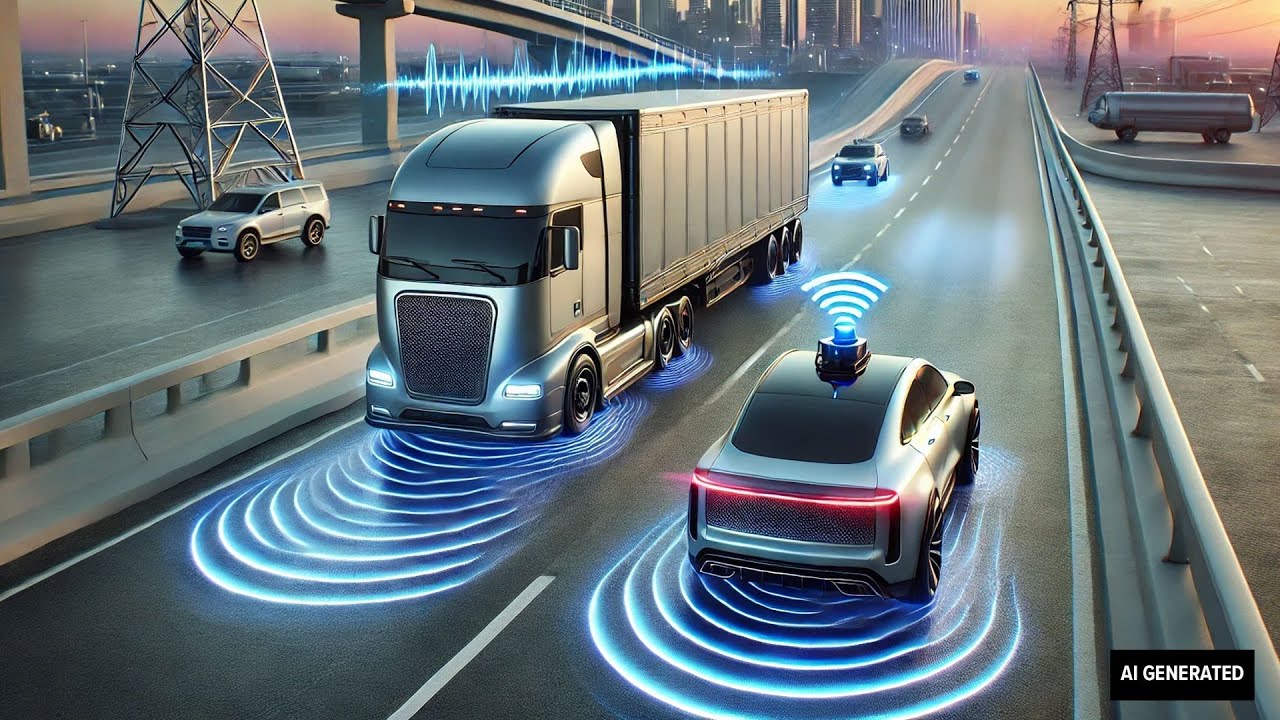
Autonomous vehicle research has advanced significantly over the past decade. Engineers and technology companies are developing systems that allow vehicles to operate with minimal human intervention. These systems rely on sensors, cameras, radar technologies, and artificial intelligence algorithms.
Autonomous vehicles analyze their surroundings using real-time data from multiple sensors. AI software interprets this information and determines safe driving decisions. The technology must react quickly to changing road conditions, traffic signals, and pedestrian movement.
Automotive companies are conducting extensive testing to ensure that autonomous driving systems meet strict safety standards. Test vehicles operate in controlled environments as well as public roads to evaluate performance under different conditions.
Potential benefits of autonomous vehicles include improved road safety and increased transportation efficiency. Human error contributes to many traffic accidents, and automated driving systems could reduce these risks significantly.
Autonomous technology may also improve mobility for elderly individuals and people with disabilities who cannot drive independently.
Despite these advantages, regulatory frameworks and safety standards must continue evolving to support widespread adoption of autonomous vehicles.
As research progresses, autonomous driving technologies will likely become increasingly integrated into future transportation systems.