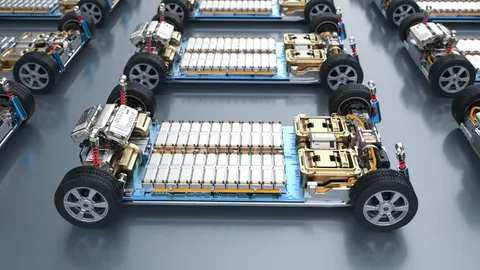
Battery technology plays a crucial role in the development of electric vehicles. Advances in battery design determine driving range, charging speed, and overall vehicle performance. Engineers continue researching new materials that improve energy storage while reducing environmental impact.
Lithium-ion batteries are currently the most common technology used in electric vehicles. These batteries provide high energy density and relatively long lifespans. However, researchers are exploring next-generation battery technologies such as solid-state batteries that may offer greater efficiency and safety.
Charging infrastructure also influences battery development. Fast-charging systems allow drivers to recharge vehicles quickly during long trips. Automotive manufacturers work with energy companies to build networks of charging stations in urban areas and along highways.
Battery recycling is another important consideration. As electric vehicle adoption increases, recycling programs help recover valuable materials such as lithium and cobalt. Sustainable recycling processes reduce environmental impact and support resource conservation.
Government policies encourage battery research through funding programs and environmental regulations. These initiatives accelerate innovation and support the transition toward cleaner transportation systems.
Future battery technologies may significantly extend driving ranges and reduce charging times. With continued research and investment, electric vehicles will become more efficient and accessible to consumers worldwide.