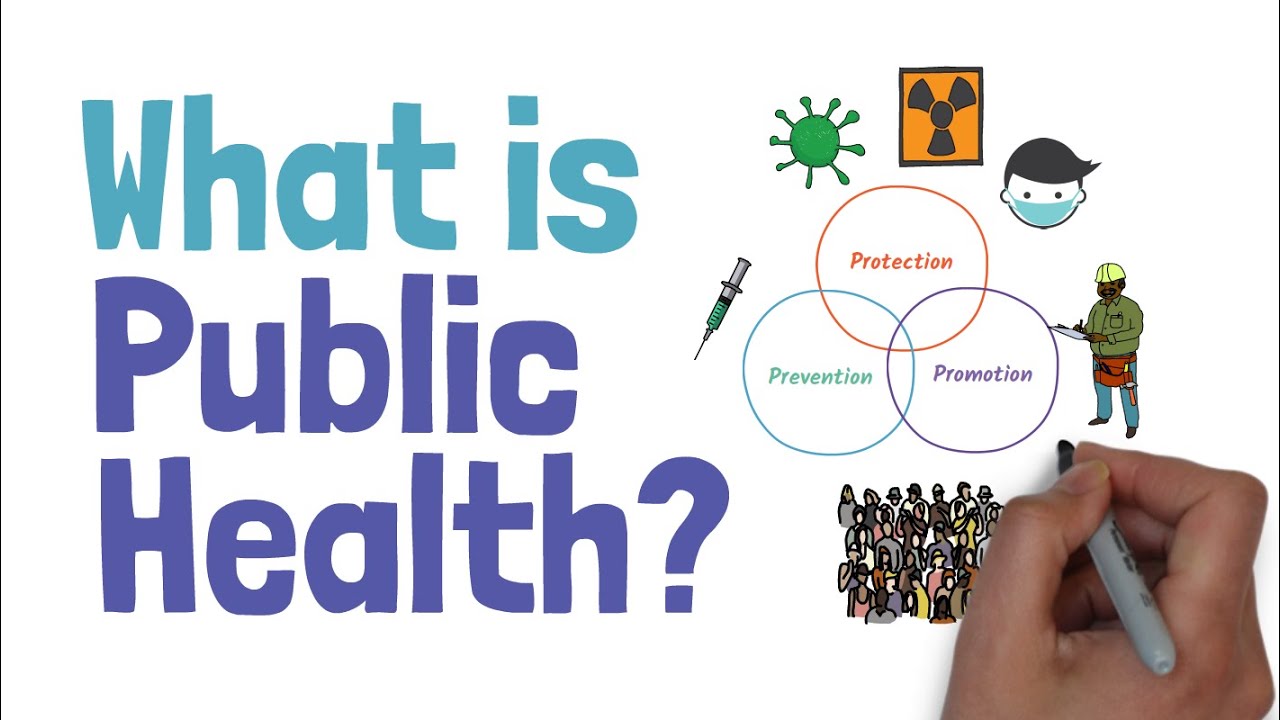
Public health initiatives focus on protecting communities from diseases and promoting healthier lifestyles. Governments and healthcare organizations implement programs that prevent illness, improve healthcare access, and educate populations about health risks.
Vaccination campaigns represent one of the most effective public health strategies. Vaccines protect individuals and communities by reducing the spread of infectious diseases. Immunization programs have successfully controlled many serious illnesses around the world.
Health education also plays an important role in disease prevention. Public awareness campaigns encourage healthy behaviors such as balanced diets, regular exercise, and smoking prevention. Educated populations are more likely to adopt habits that reduce long-term health risks.
Environmental health policies address factors such as air quality, water safety, and sanitation. Clean environments help reduce the spread of infectious diseases and improve overall well-being.
Healthcare systems collaborate with international organizations to monitor disease outbreaks and coordinate responses. Global health cooperation ensures that resources and expertise are shared during public health emergencies.
Preventive healthcare reduces pressure on hospitals and medical systems by minimizing the occurrence of serious diseases. By investing in public health programs, societies can improve quality of life and increase life expectancy for their populations.