Urban planning plays a vital role in creating sustainable and livable cities. As populations grow and urban areas expand, city planners must design infrastructure that supports economic activity while protecting environmental resources.
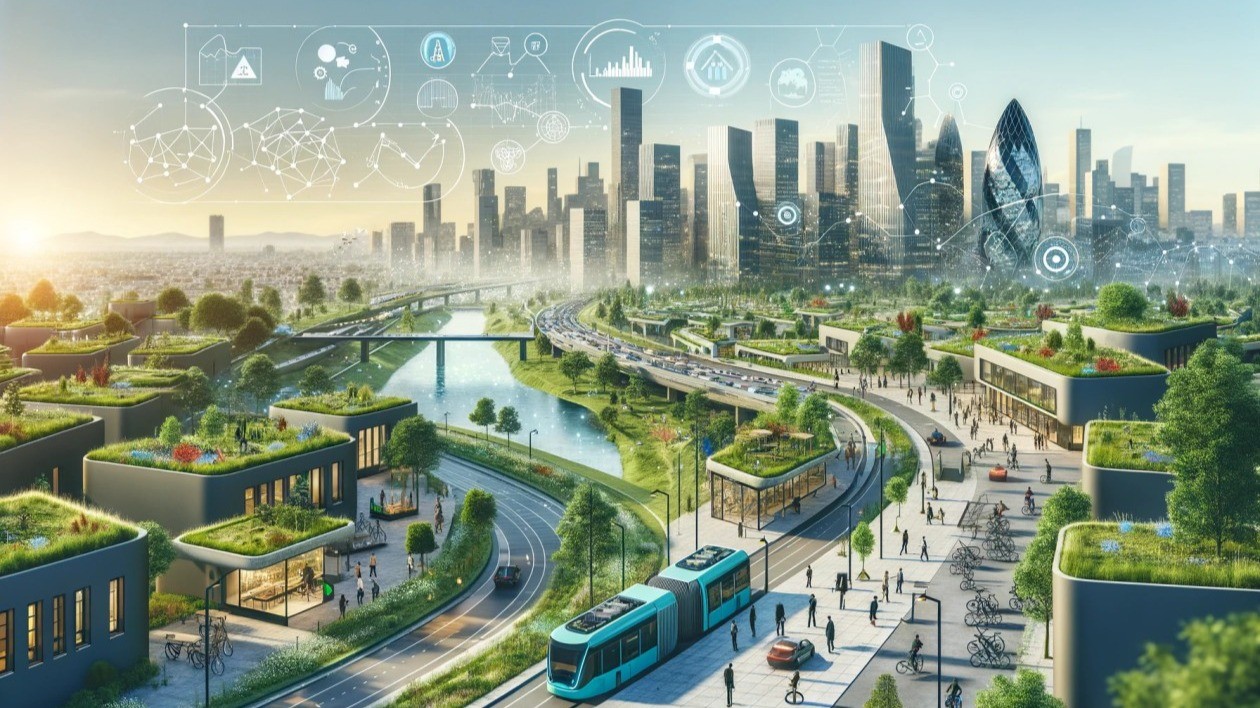
Modern urban planning focuses on efficient transportation systems, green public spaces, and sustainable building practices. Cities invest in public transportation networks that reduce traffic congestion and air pollution. Metro systems, electric buses, and cycling infrastructure encourage environmentally friendly mobility.
Green spaces such as parks and urban forests improve environmental quality and support community well-being. These areas provide recreational opportunities while helping regulate urban temperatures and air quality.
Sustainable construction practices are also important in modern city development. Energy-efficient buildings reduce electricity consumption and lower carbon emissions. Architects increasingly incorporate renewable energy systems such as solar panels into urban infrastructure.
Smart city technologies allow governments to manage urban systems more efficiently. Sensors and data analytics help monitor traffic patterns, energy usage, and public services.
Successful urban planning requires collaboration between governments, architects, engineers, and local communities. By designing cities that balance economic development with environmental protection, planners can create sustainable urban environments for future generations.