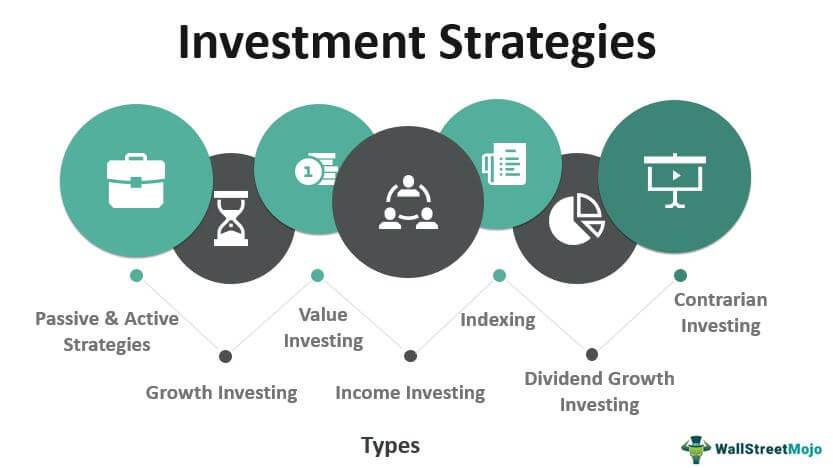
Investment strategies are essential for individuals who want to build long-term financial security. Successful investors often focus on disciplined planning, diversified portfolios, and patience rather than short-term speculation. By carefully selecting financial assets, investors can grow their wealth while managing risk.
Diversification is one of the most widely recommended strategies in investment planning. Investors spread their capital across different asset classes such as stocks, bonds, real estate, and mutual funds. This approach reduces risk because losses in one investment may be balanced by gains in another.
Long-term investing typically focuses on gradual growth rather than immediate profits. Historical market trends show that well-diversified portfolios often grow steadily over extended periods. Investors who maintain consistent strategies during market fluctuations tend to achieve stronger financial results.
Risk tolerance also plays an important role in investment decisions. Younger investors may choose higher-risk assets with greater growth potential, while individuals approaching retirement often prefer safer investments that generate stable income.
Technological innovation has made investing more accessible. Online trading platforms allow individuals to monitor markets, manage portfolios, and execute trades quickly. Educational resources and financial tools help investors analyze opportunities and manage risks effectively.
Financial advisors often recommend combining disciplined investment strategies with regular savings habits. Consistent contributions to investment accounts allow individuals to benefit from compound growth over time.
By focusing on long-term planning and responsible investment strategies, individuals can build financial stability and achieve their future financial goals.